Concealed Riches: Disclosing the Enigmas of Underground Transactions


The shadowy underbelly of the internet has long captivated the imagination of a multitude, often portrayed as a shadowy realm teeming with illegal activities and hidden truths. Inside this unindexed part of the internet lies an engaging market that operates outside the reach of conventional law enforcement, where everything from common goods to highly illegal services can be found behind a curtain of concealment. As curiosity in dark web commerce increases, so does the curiosity about the mechanisms that propel these markets and the effects they have on society.
Exploring the realm of darknet markets reveals a intricate ecosystem driven by a myriad of factors, including the search for confidentiality, the yearning for unusual goods, and the allure of transgressing social taboos. While many are drawn to these platforms for ill-intentioned purposes, others seek out the unique products and services that traditional online shopping cannot offer. Understanding the nature of darkweb markets is crucial not only for grasping the darker aspects of digital commerce but also for recognizing the changing landscape of internet shopping in the 21st century. spintax ### Grasping the Underbelly of the Internet
The shadow web represents a concealed part of the internet that is not listed by standard search engines. It operates on secondary networks that require particular software, configurations, or permissions to access. The most frequent way to access the dark web is through Tor, which obscures user activity by directing internet traffic through a network of volunteer-operated servers. This level of privacy attracts a diverse range of users, from those seeking privacy to individuals involved in illicit activities.
Underground markets are a major component of the dark web, functioning as online platforms where goods and offerings, often illegal, are purchased and exchanged. These markets offer a wide range of commodities, including controlled substances, forged products, and hacking services. The transactions on these platforms typically make use of cryptocurrencies to increase anonymity, making it difficult for authorities to follow the buyers and sellers involved. This setting fosters a unique economy that exists outside traditional regulations.
Understanding the driving forces behind the use of dark web markets is essential. While many users are lured to the offer of privacy and the capacity to bypass censorship, others may be pushed by curiosity or the wish to take part in hazardous behavior. The allure of anonymous commerce can create a intricate web of interactions that exist far from the regulation of law enforcement and societal standards, making it a fascinating yet worrisome area of study.
Economics of the Dark Web
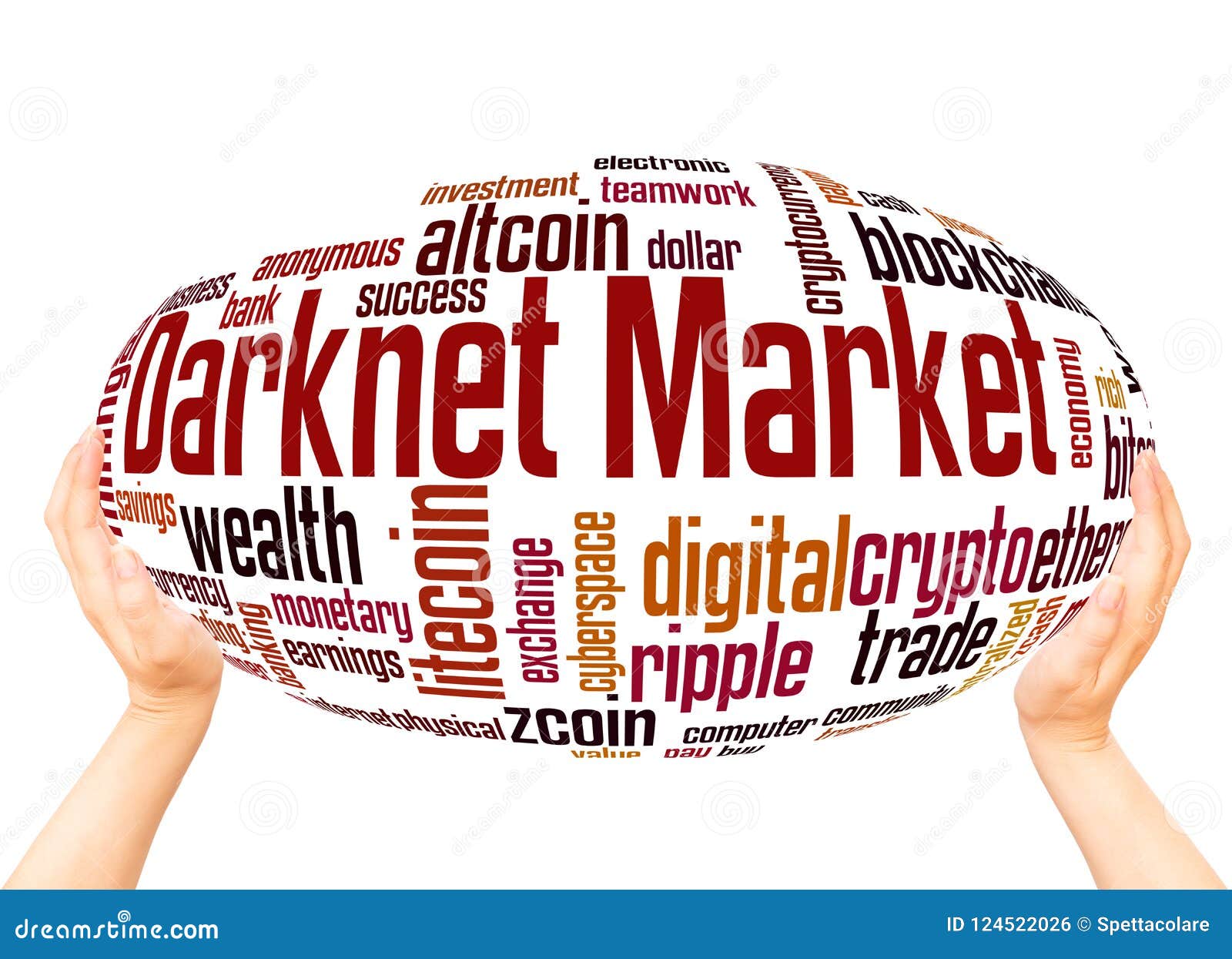
Darknet is an complex economy that operates largely outside traditional financial systems. This secretive market thrives on anonymity and is driven by various demand and supply dynamics. dark markets , especially Bitcoin, serve as the primary medium of exchange, providing the necessary confidentiality for transactions. This system attracts buyers and sellers who seek to bypass regulatory oversight and engage in activities often deemed illegal in the conventional marketplace.
Within this secret economy, a variety of goods and services can be found, from illicit drugs and counterfeit goods to hacking services and stolen data. The functioning of darkweb markets involves a multi-layered approach to ensure safety and secrecy for all involved parties. Vendors often use escrow services to protect transactions from fraud, while buyers rely on reviews and ratings to gauge the credibility of sellers. This system creates a unique environment where trust is built through digital reputation rather than traditional means.
The economic environment of the darknet has significant implications for global commerce and law enforcement. Authorities find it challenging to regulate these markets due to their dispersed nature and the sophisticated methods employed by users to conceal their identities. As darkweb markets continue to develop, they raise ongoing questions about the future of digital trade, the balance between privacy and security, and the persistent challenge of curbing illicit activities online.
Hazards and Principles of Dark Web Transactions
Involved in transactions on the hidden web raises notable threats for users. One of the key worries is the risk for scams and deceptions. Many platforms are devoid of control, causing circumstances where clients may lose their money without receiving the expected goods or services. Additionally, the secrecy of the hidden web can enable bad agents to manipulate consumers, thus making it important for people to act with caution and conduct comprehensive analysis before completing any buying.
In addition to monetary threats, there are law-related implications associated with dark web trade. Many goods and services sold on these platforms are prohibited, encompassing everything from narcotics to stolen files. Acquiring or even looking at certain items can expose individuals to criminal scrutiny or potential criminal consequences. It is important for individuals to understand the laws in their jurisdiction and to be cognizant of the repercussions of participating with hidden web platforms.
In terms of ethics, the underground presents a complex situation. While some contend it offers a platform for expression and entry to data in oppressive regimes, the dominant presence of illicit actions obscures its perception. Exchanges that facilitate damage, whether through drug distribution or the sale of illegal content, test the values of people. Moving through this ethical context calls for a profound consideration on the implications of one's choices and their broader impact on the public.